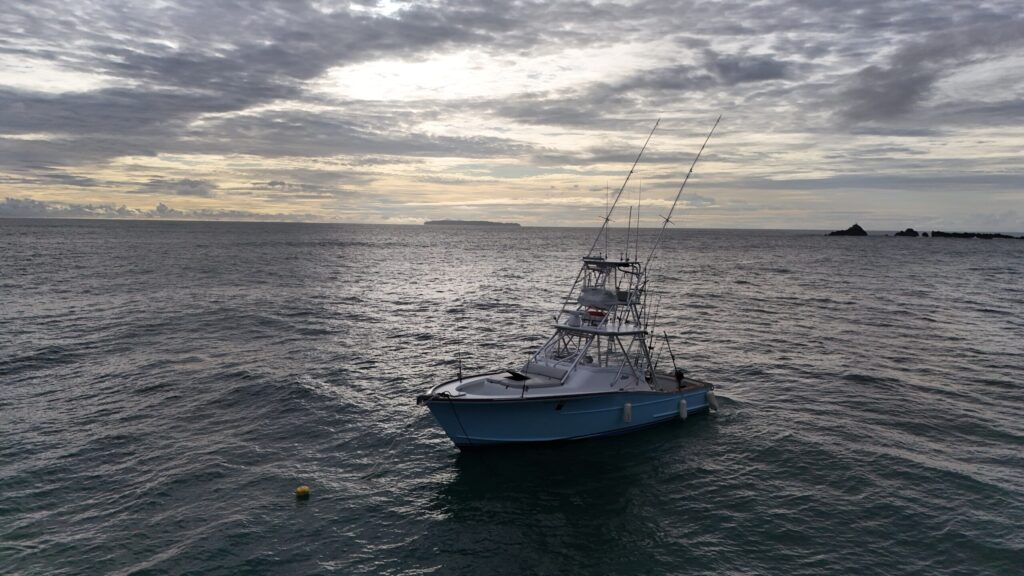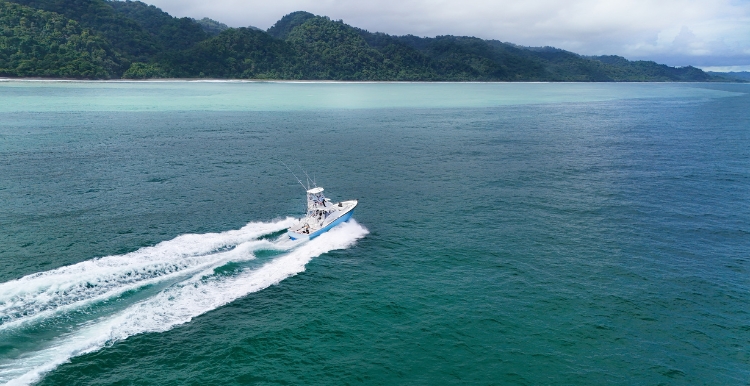
One of the biggest advantages of booking a professional fishing charter in Costa Rica is the knowledge that experienced captains bring to every trip.
While many anglers focus on the type of fish they hope to catch, successful captains begin by studying the conditions. Every day on the Pacific Ocean is different, and adapting to those changing conditions is often the key to a productive fishing trip.
Rather than following the same routine every morning, professional crews constantly evaluate where fish are feeding, what bait is present, and which technique offers the highest chance of success.
Every Fishing Day Starts with Observation
Before leaving the marina, captains consider several important factors.
These include:
- Ocean currents
- Wind conditions
- Tide movement
- Water temperature
- Recent fishing reports
- Seasonal fish migrations
- Baitfish activity
All of this information helps determine both the fishing location and the techniques that will be used throughout the day.
When Trolling Is the Best Choice
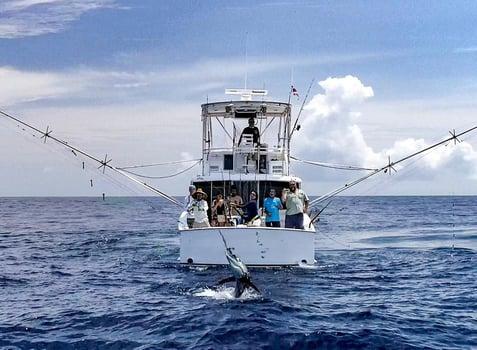
Trolling is typically used when searching for pelagic species in offshore waters.
By pulling artificial lures or rigged baits behind the boat, captains can cover large areas efficiently while locating active fish.
Trolling is commonly used for:
- Blue Marlin
- Black Marlin
- Pacific Sailfish
- Yellowfin Tuna
- Mahi-Mahi
- Wahoo
When offshore conditions are favorable, trolling often becomes the primary technique for much of the day.
Why Captains Switch to Jigging
Sometimes fish are holding close to reefs, underwater pinnacles, or rocky structures instead of feeding near the surface.
In these situations, vertical jigging becomes an excellent option.
Heavy metal jigs are dropped deep into the water column before being retrieved with rhythmic movements that imitate injured baitfish.
Species commonly targeted include:
- Cubera Snapper
- Amberjack
- Grouper
- Large reef predators
Jigging is especially effective when fish are feeding aggressively near structure.
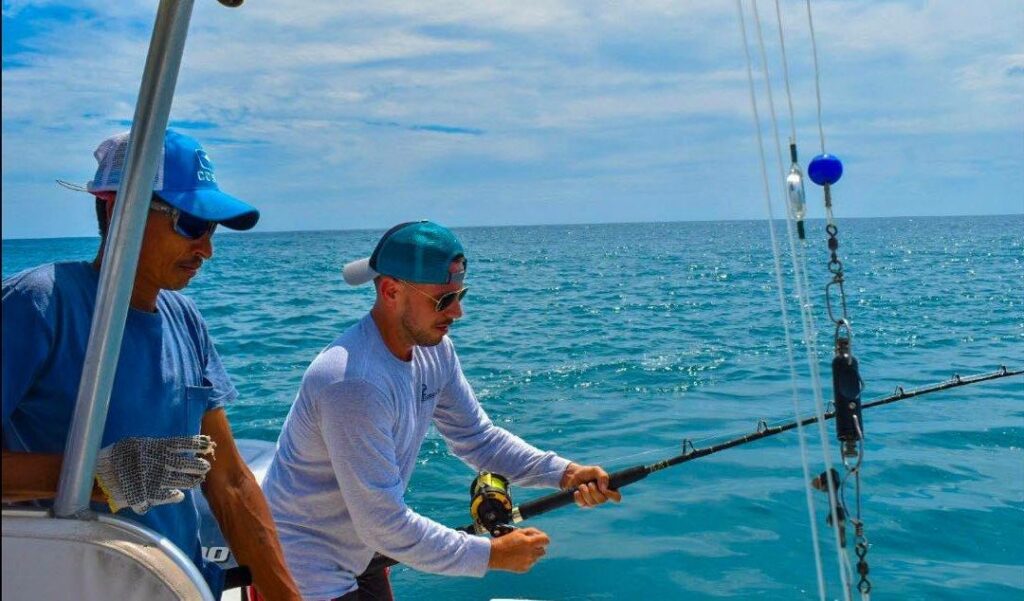
The Natural Advantage of Live Bait
When captains locate healthy baitfish, live bait often becomes one of the most productive techniques available.
Because bait moves naturally through the water, predator fish are more likely to react instinctively.
Live bait is frequently used when targeting:
- Roosterfish
- Cubera Snapper
- Snook
- Jack Crevalle
- Large Yellowfin Tuna
Depending on the conditions, crews may catch fresh bait before beginning the main fishing session.
Is Fly Fishing an Option?
Fly fishing is available in certain areas of Costa Rica, although it requires specific conditions and specialized equipment.
Experienced fly anglers sometimes pursue:
- Roosterfish
- Jack Crevalle
- Snapper
- Needlefish
Because this technique depends heavily on weather, water clarity, and fish behavior, captains typically recommend it for anglers with previous fly fishing experience.
Conditions Can Change Throughout the Day
One reason professional captains are successful is their willingness to adapt.
A trip may begin by trolling offshore before transitioning to jigging over productive reefs.
Later in the afternoon, the crew may move closer to shore and switch to live bait after spotting feeding roosterfish.
This flexibility keeps anglers fishing where opportunities are strongest rather than remaining committed to a single technique.
Local Knowledge Makes the Difference
Professional captains spend hundreds of days on the water each year.
Over time they learn:
- Seasonal fish migrations
- Productive underwater structures
- Weather patterns
- Tide influences
- Bait movement
- Fish behavior throughout the year
This experience cannot be replaced by technology alone.
While electronics help locate fish, local knowledge often determines how those fish are ultimately caught.
Choosing the Best Technique for Your Trip
Every fishing charter is unique.
Some anglers hope to land their first sailfish, while others dream of catching a trophy roosterfish along Costa Rica’s rugged Pacific coastline.
The most successful trips happen when captains match the day’s conditions with the right fishing method.
Instead of asking which technique is best, the better question is which technique is best today.
That answer changes with every tide, every season, and every fishing adventure.
Internal Linking Opportunities
- Offshore Fishing Charters
- Inshore Fishing
- Fishing Seasons
- Roosterfish Fishing
- Marlin Fishing
- Charter Options
- What to Bring
Soft CTA
Every fishing day is different. Explore our charter options and let our experienced captains select the techniques that best match the season, ocean conditions, and the species you hope to catch.