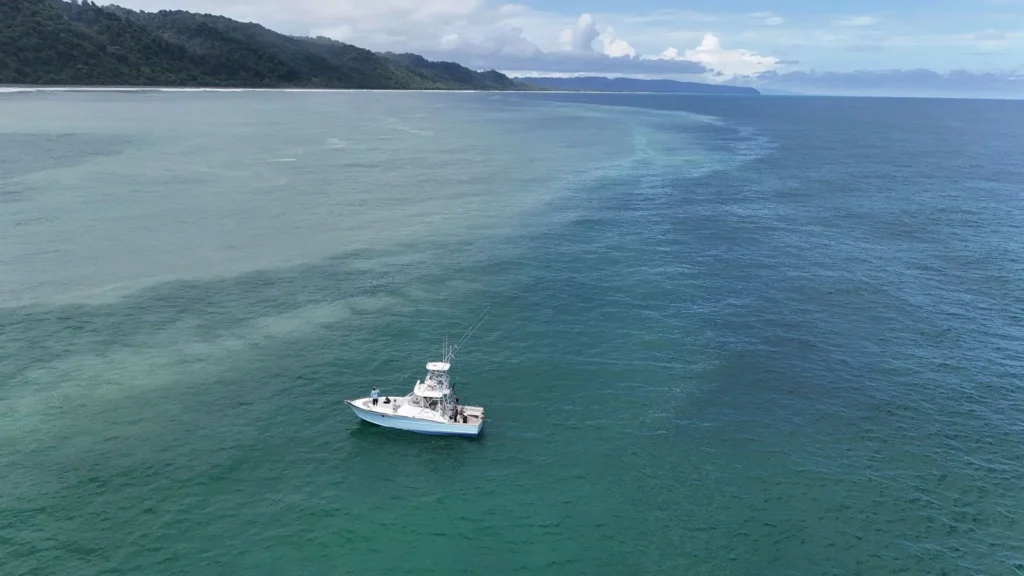
Costa Rica has earned an international reputation as one of the world’s leading destinations for offshore sport fishing. Every year, anglers travel to the Pacific coast hoping to experience the thrill of catching species such as Pacific sailfish, blue marlin, striped marlin, mahi-mahi, yellowfin tuna, and roosterfish.
Part of what makes Costa Rica’s fisheries so exceptional is a long-standing commitment to responsible fishing practices. One of the most important of these is catch and release, a conservation approach that allows anglers to enjoy the excitement of the catch while helping protect fish populations for future generations.
What Is Catch and Release?
Catch and release is the practice of returning a fish to the water after it has been caught instead of keeping it.
For many offshore species, especially billfish, this practice has become the standard among professional sport fishing captains throughout Costa Rica.
The objective is simple:
- Protect breeding populations.
- Support healthy marine ecosystems.
- Maintain world-class sport fishing opportunities.
- Promote sustainable tourism.
When performed correctly, released fish have an excellent chance of survival.
Which Species Are Commonly Released?
Although regulations and fishing goals vary by species, catch and release is especially important for large pelagic fish.
Common species that are frequently released include:
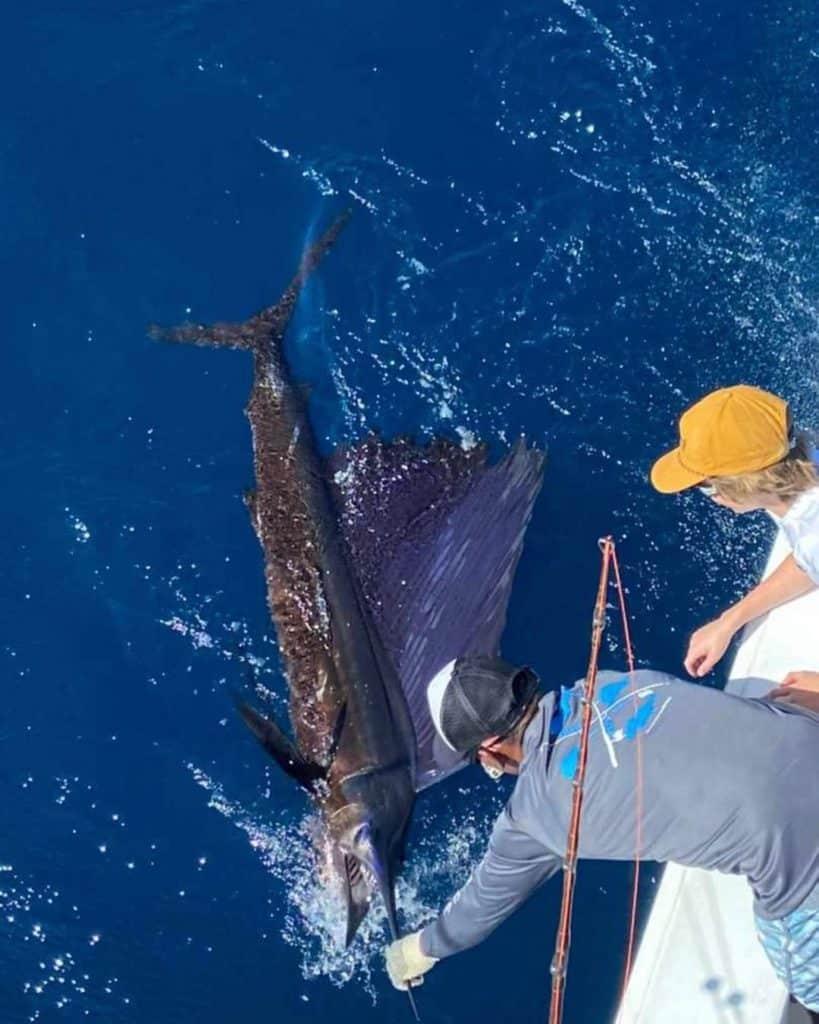
- Pacific Sailfish
- Blue Marlin
- Black Marlin
- Striped Marlin
- Roosterfish (many anglers voluntarily release larger fish)
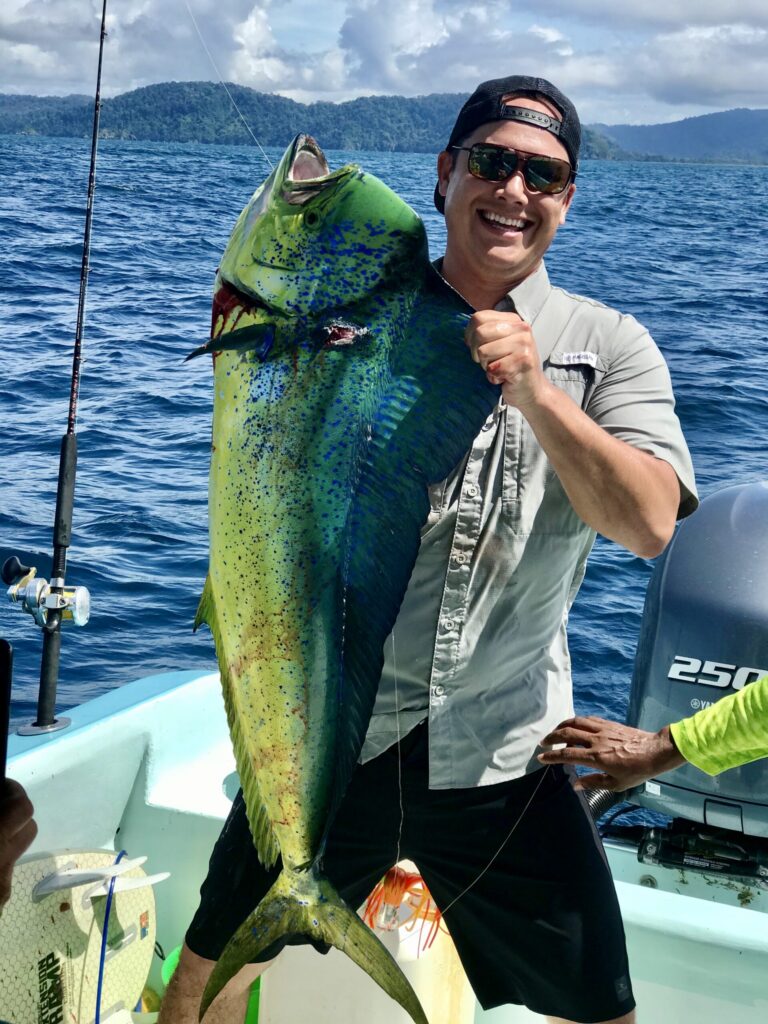
Other species such as mahi-mahi or yellowfin tuna may be retained within legal limits, depending on regulations and the preferences of the anglers.
Your captain will always explain current practices before the trip begins.
Why Costa Rica Supports Catch and Release
Healthy fish populations benefit everyone.
Responsible fishing practices help:
- Preserve marine biodiversity.
- Protect valuable sport fish.
- Support local fishing communities.
- Sustain tourism.
- Maintain Costa Rica’s international fishing reputation.
The country’s Pacific waters continue to attract anglers from around the world because these fisheries have been carefully managed over many years.
How Professional Crews Protect the Fish
Experienced charter crews follow procedures designed to minimize stress on the fish.
These often include:
- Using appropriate tackle to shorten fight times.
- Handling fish carefully.
- Keeping fish in the water whenever possible.
- Removing hooks quickly and safely.
- Reviving fish before release.
- Returning fish head-first into the current.
Professional captains understand that a healthy release is just as rewarding as the catch itself.
Responsible Anglers Make a Difference
Every angler plays an important role in conservation.
Simple actions can improve the chances of a successful release:
- Listen to the crew’s instructions.
- Avoid unnecessary handling.
- Prepare cameras before bringing the fish alongside the boat.
- Limit the time spent out of the water.
- Respect all fishing regulations.
These small efforts contribute to healthier fisheries for years to come.
Catch Great Photos Without Harming the Fish
One of the highlights of any fishing trip is capturing memorable photographs.
To minimize stress on the fish:
- Have your camera ready before the fish reaches the boat.
- Work quickly.
- Follow the captain’s guidance.
- Prioritize the fish’s well-being over multiple photo opportunities.
Many of the most impressive action shots are taken while the fish remains in the water.
Conservation Benefits Future Fishing Trips
The success of Costa Rica’s sport fishing industry depends on maintaining healthy fish populations.
Catch and release helps ensure that future visitors can enjoy the same exciting experiences that anglers enjoy today.
It also supports scientific research, conservation efforts, and sustainable tourism along Costa Rica’s Pacific coast.
Fish with Experienced Professionals
Choosing an experienced charter makes a significant difference.
Professional captains understand:
- Responsible fish handling.
- Local fishing regulations.
- Seasonal conditions.
- Ethical sport fishing practices.
- Marine conservation.
Fishing with knowledgeable crews allows visitors to enjoy an unforgettable day on the water while contributing to the protection of Costa Rica’s incredible marine resources.