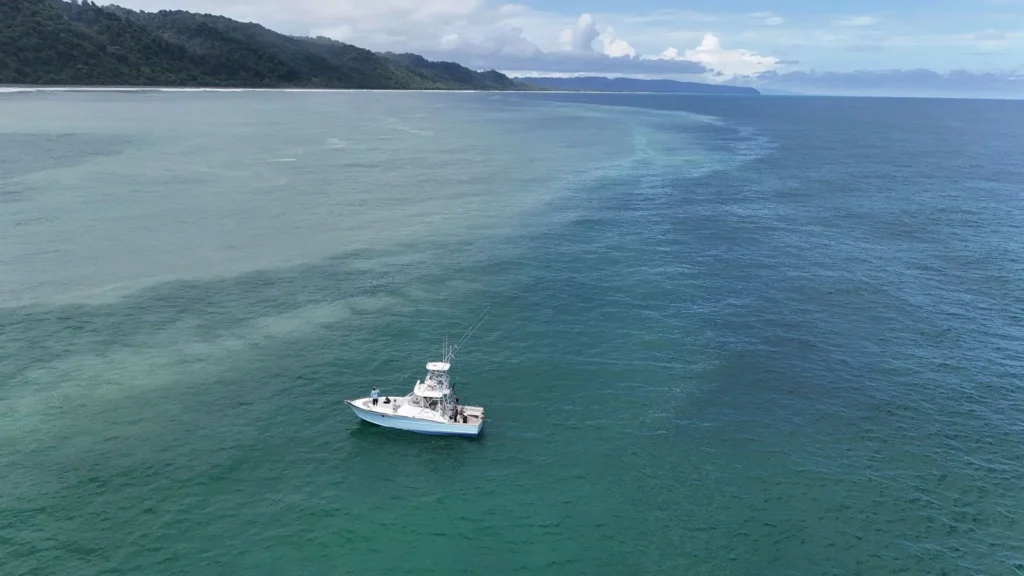
Catch and release fishing has become an important part of Costa Rica’s sport fishing culture, especially for offshore species such as sailfish and marlin.
These responsible fishing practices help support healthy fish populations, protect marine ecosystems, and preserve Costa Rica’s international reputation as one of the world’s leading sport fishing destinations.
Why Catch and Release Matters
Many offshore species targeted in Costa Rica are highly migratory fish that travel long distances across the Pacific Ocean.
Releasing billfish species after capture helps support:
- long term population sustainability
- healthy marine ecosystems
- future sport fishing opportunities
- marine conservation awareness
Responsible catch and release practices have become increasingly important as global sport fishing tourism continues to grow.
Costa Rica is widely recognized for promoting sustainable fishing methods that balance exciting offshore experiences with conservation efforts.
Common Catch and Release Species
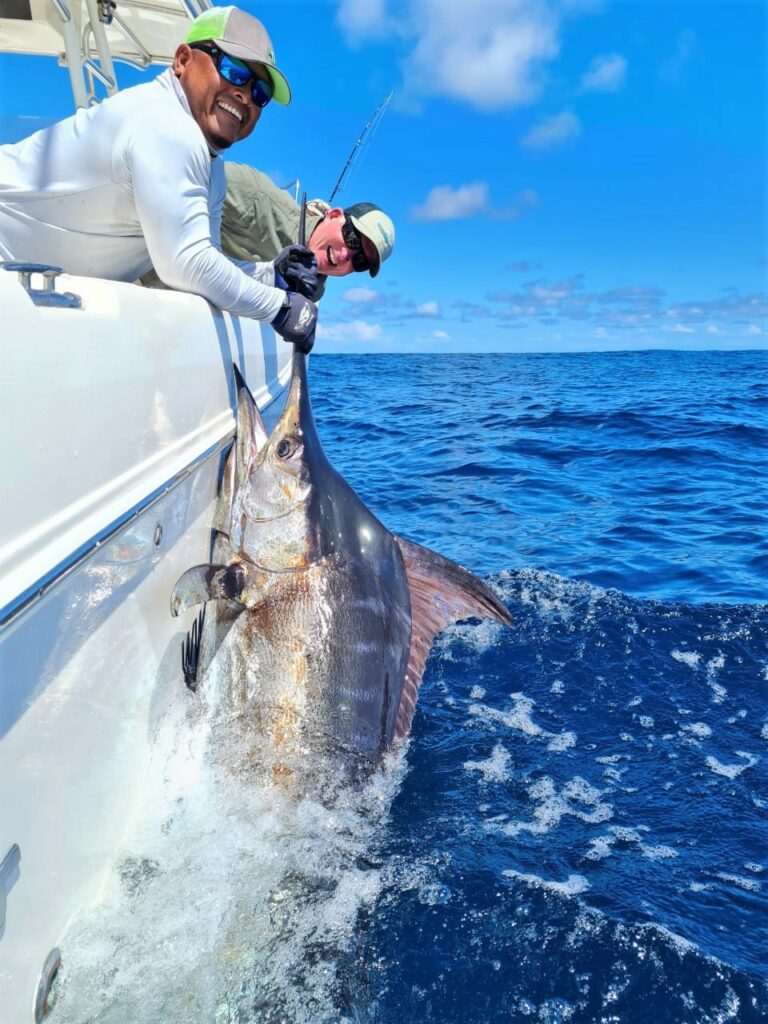
Catch and release practices are especially common for billfish species, including:
- Pacific sailfish
- blue marlin
- striped marlin
- black marlin
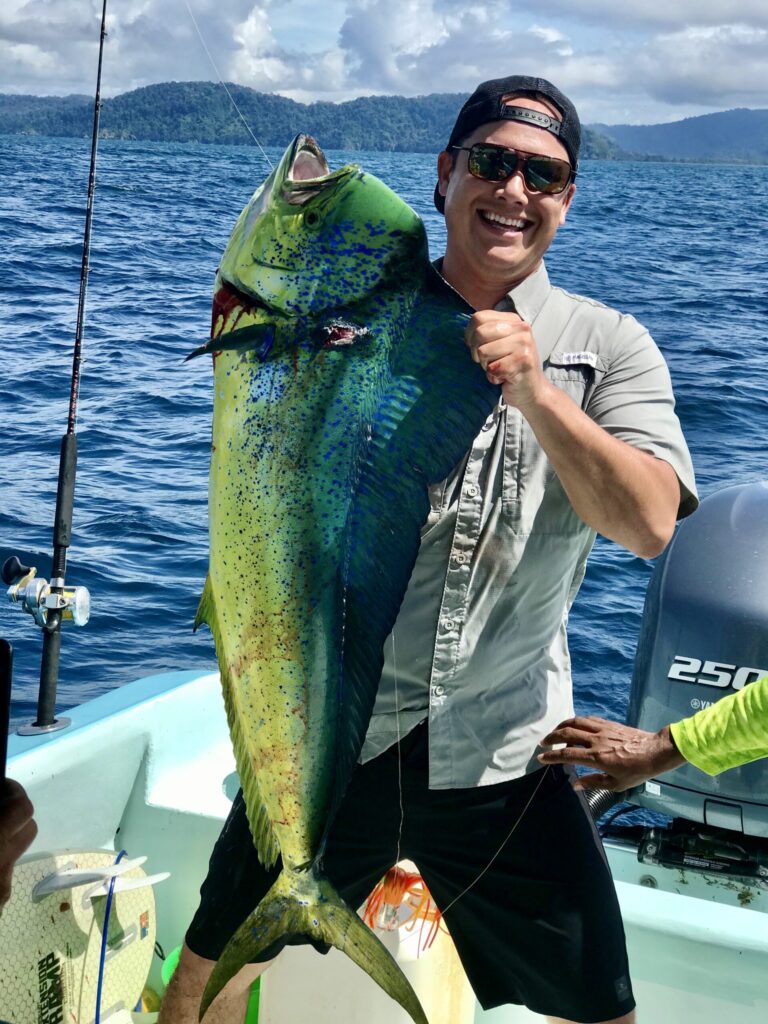
Many captains and crews also encourage responsible handling practices for other species depending on local regulations, conditions, and conservation goals.
Responsible Fish Handling Practices
Experienced captains use specific techniques designed to reduce stress and improve survival rates after release.
Common responsible practices include:
- minimizing fight times
- keeping fish in the water whenever possible
- using appropriate tackle
- avoiding unnecessary handling
- carefully removing hooks
- releasing fish quickly and safely
These techniques help reduce injury and improve the chances of successful post-release survival.
Professional crews continuously adapt their methods based on sea conditions, fish size, and species behavior.
The Role of Sport Fishing Charters
Sport fishing charters throughout Costa Rica’s Pacific coast play a major role in promoting conservation awareness and responsible offshore fishing practices.
Many experienced captains educate anglers about:
- sustainable fishing techniques
- species protection
- seasonal migration patterns
- responsible fish handling
This growing focus on conservation has helped strengthen Costa Rica’s reputation within the international sport fishing community.
Sustainable Fishing in Costa Rica
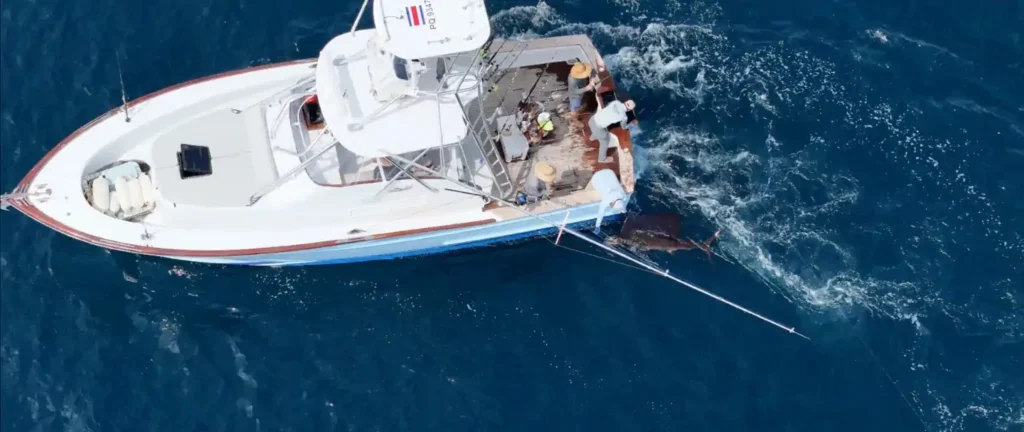
Sustainable sport fishing supports more than conservation alone. Responsible fishing practices also contribute to:
- local coastal economies
- tourism employment
- marine research awareness
- long term fishing opportunities
As more anglers prioritize responsible travel experiences, catch and release fishing continues to be an important part of Costa Rica’s offshore fishing industry.
Understanding these practices helps create a more ethical and rewarding experience on the water while helping protect the future of sport fishing along Costa Rica’s Pacific coast.