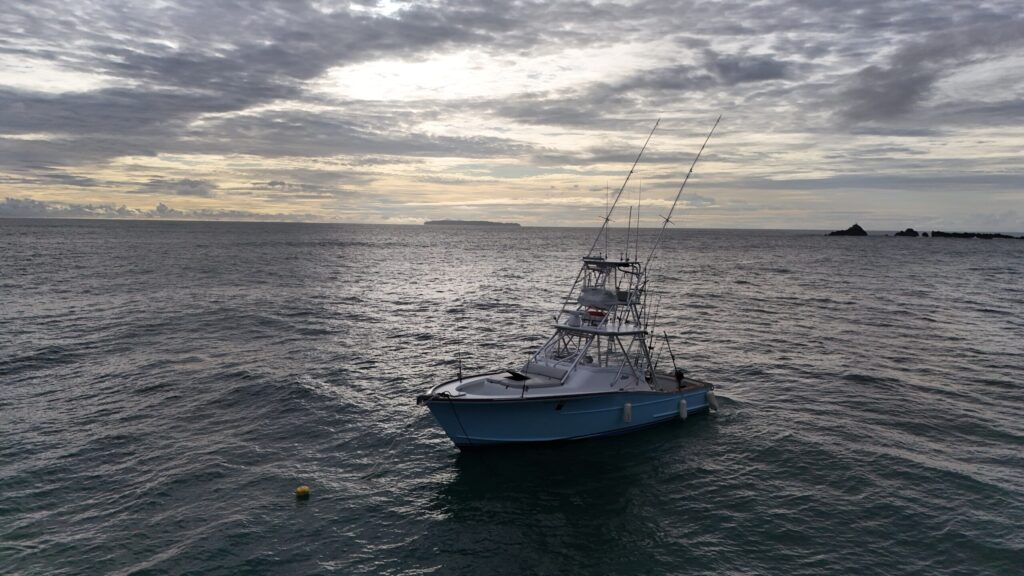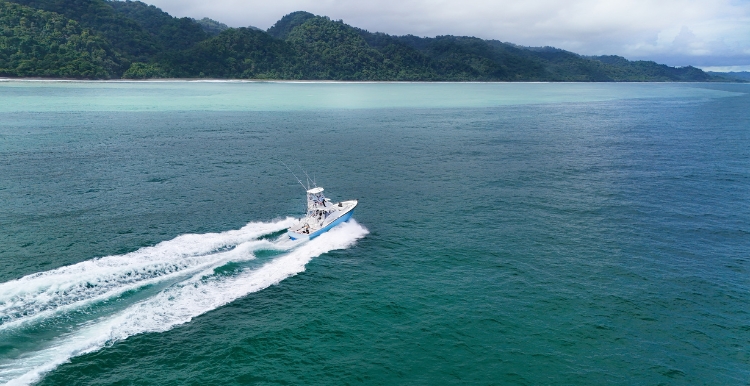
One of the advantages of fishing in Costa Rica is the incredible variety of species available throughout the year. From powerful roosterfish cruising the rocky shoreline to blue marlin hunting in deep offshore waters, every fishing trip presents different opportunities.
To maximize success, experienced captains select the fishing technique that best matches the location, sea conditions, and target species. Understanding the differences between trolling, jigging, and live bait fishing helps anglers know what to expect during their charter and why different methods may be used throughout the day.
Why Fishing Techniques Matter
No single technique works for every situation.
Ocean depth, underwater structure, water temperature, bait activity, and fish behavior all influence how fish are targeted.
Professional captains constantly adapt their approach to improve the chances of finding active fish while providing anglers with the best possible experience.
Trolling: The Classic Offshore Technique
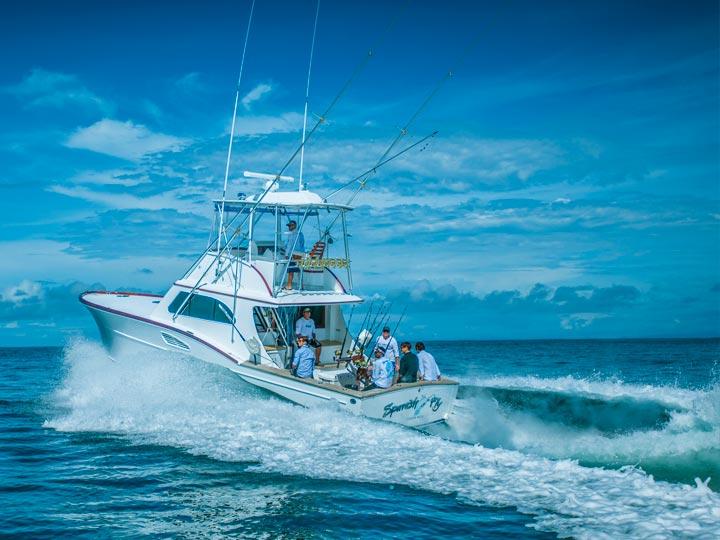
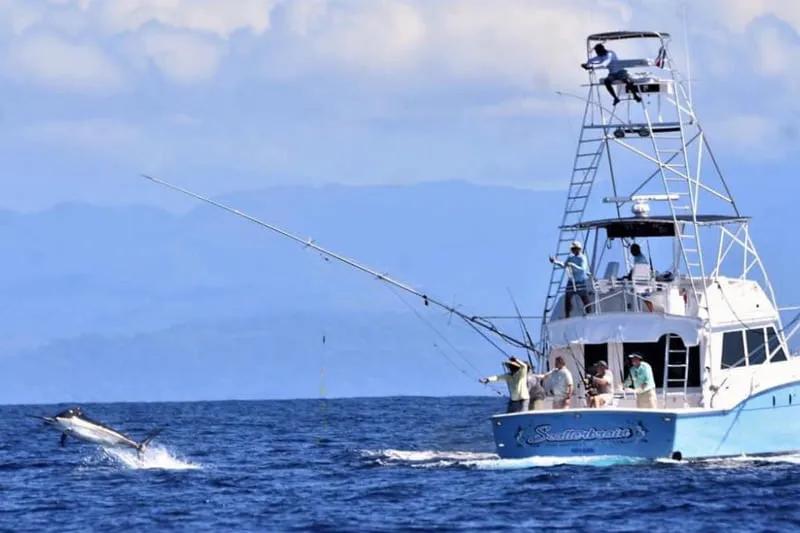
Trolling is the most common technique used during offshore fishing charters in Costa Rica.
The boat travels at controlled speeds while multiple artificial lures or rigged baits are pulled behind it, covering large areas of open water in search of pelagic species.
Best Target Species
- Blue Marlin
- Black Marlin
- Striped Marlin
- Pacific Sailfish
- Yellowfin Tuna
- Mahi-Mahi (Dorado)
- Wahoo
Advantages of Trolling
- Covers large fishing areas efficiently
- Excellent for locating migrating fish
- Ideal for offshore waters
- Allows anglers to target several species during one trip
- Produces exciting multiple-hookup opportunities when schools are active
Trolling is often the preferred method during full-day offshore charters because it maximizes the chances of encountering highly migratory game fish.
Jigging: Precision Fishing Around Structure
Jigging uses heavy metal jigs that are dropped vertically through the water column and retrieved with rhythmic movements designed to imitate injured baitfish.
This technique is especially effective around reefs, underwater pinnacles, rocky ledges, and drop-offs where predatory fish wait to ambush prey.
Common Target Species
- Cubera Snapper
- Amberjack
- Grouper
- Yellowfin Tuna
- Other reef-associated predators
Why Anglers Enjoy Jigging
Jigging is an active style of fishing that requires continuous movement of the rod and reel.
The reward often comes in the form of aggressive strikes and powerful fights, making it popular among experienced anglers looking for a hands-on challenge.
Live Bait Fishing: Natural Presentation
When conditions are right, few techniques are as effective as presenting live bait.
Healthy baitfish swim naturally through the water, triggering instinctive feeding behavior from large predators.
Because the presentation appears completely natural, cautious fish are often more willing to strike.
Species Commonly Targeted
- Roosterfish
- Cubera Snapper
- Jack Crevalle
- Snook
- Large Tuna (when conditions allow)
Live bait is particularly productive for inshore fishing, where many species hunt close to rocky shorelines, islands, and reefs.
Can Multiple Techniques Be Used on One Trip?
Absolutely.
Many successful charters combine several fishing methods depending on the conditions throughout the day.
For example:
- Start the morning trolling offshore for sailfish and mahi-mahi.
- Switch to jigging over productive reef structures.
- Finish the day using live bait near rocky points in search of trophy roosterfish.
This flexibility allows anglers to experience different styles of fishing while increasing the chances of success.
What About Fly Fishing?
Fly fishing is available in select areas of Costa Rica, primarily for inshore species.
Depending on conditions and guide availability, anglers may target:
- Roosterfish
- Jack Crevalle
- Snapper
- Needlefish
Fly fishing requires specialized equipment and favorable conditions, making it a more technical option than traditional charter fishing techniques.
Which Technique Is Best?
There is no universal answer.
The best technique depends on several factors:
- Time of year
- Target species
- Ocean conditions
- Fishing location
- Angler experience
- Daily fish activity
Experienced charter captains evaluate these conditions throughout the trip and adjust techniques accordingly to provide the best possible fishing experience.
Trust Your Captain’s Experience
Professional captains spend hundreds of days on the water every year and understand how seasonal migrations, tides, weather, and bait movement influence fishing success.
Whether you’re hoping to land a trophy marlin offshore or battle a powerful roosterfish along the coastline, the right combination of techniques can make all the difference.
At Charter Fishing Costa Rica, every trip is tailored to the day’s conditions, giving anglers the opportunity to experience some of the most productive fishing waters in the Eastern Pacific.
Internal Linking Opportunities
- Offshore Fishing Charters
- Inshore Fishing Trips
- Roosterfish Fishing
- Marlin Fishing
- Costa Rica Fishing Seasons
- What to Bring on Your Fishing Charter
- Charter Options
Want to experience these techniques firsthand? Explore our fishing charters and let our experienced captains recommend the best approach based on the season, conditions, and your fishing goals